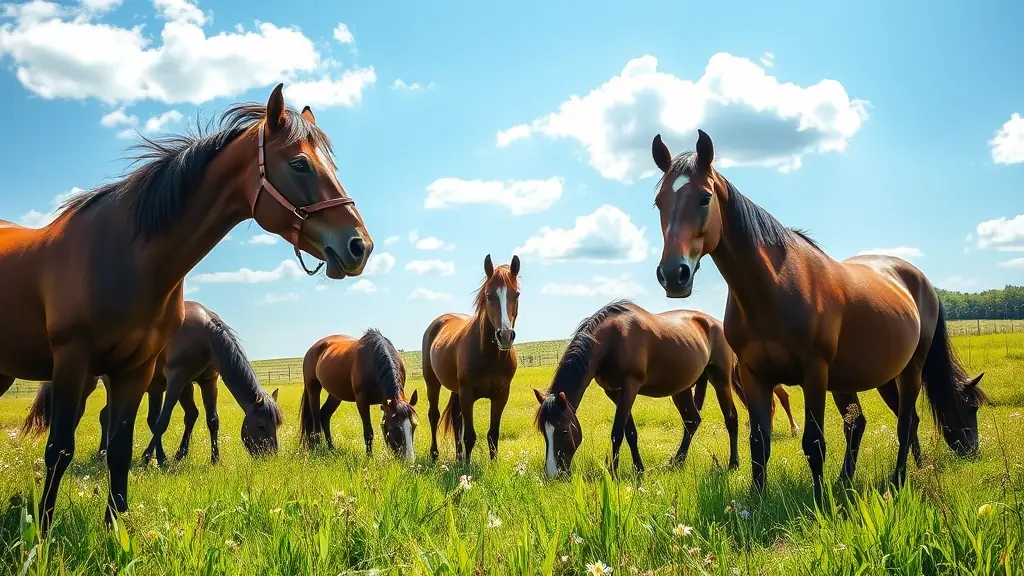
Horse breeding is a fascinating and complex field, requiring a deep understanding of equine genetics, health, and management. For beginners, the process can seem daunting, but with the right knowledge and guidance, it can be a rewarding experience. The Association des Chevaliers de Peyrebrune is committed to sharing knowledge and promoting best practices in horse breeding. This guide provides a basic overview of the key aspects of horse breeding, from selecting breeding stock to caring for pregnant mares and newborn foals.
Choosing the right breeding stock is crucial for producing healthy and high-quality offspring. Consider factors such as conformation, temperament, performance history, and genetic background when selecting stallions and mares. Understanding the principles of equine genetics will help you make informed decisions and avoid potential health problems. Proper nutrition and veterinary care are essential for maintaining the health of breeding animals. Regular check-ups, vaccinations, and deworming are vital for ensuring the well-being of both the mare and the foal.
Caring for a pregnant mare requires careful attention to her nutritional needs and physical condition. Provide a balanced diet, regular exercise, and a safe and comfortable environment. Be prepared for the foaling process and have a veterinarian on standby in case of complications. After the foal is born, ensure it receives proper nutrition, socialization, and training. With patience, dedication, and a commitment to best practices, you can successfully navigate the world of horse breeding and contribute to the future of equestrian sports.